What NCW can offer to Sighted Learners
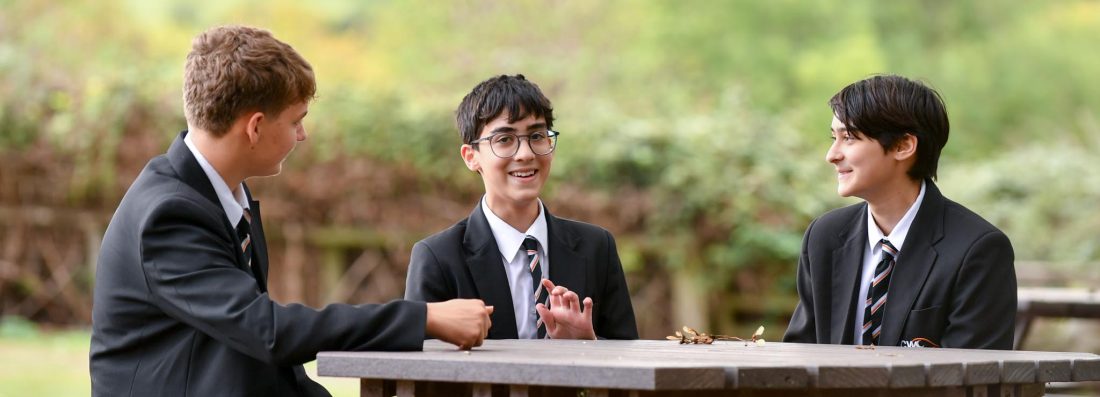
From 2026 NCW is accepting a small number of students who do not have a vision impairment but do have special educational needs which are suited to the education and environment that NCW can offer.
This small and carefully considered group of students are able to apply to our day provision when referred by their Local Authority.
This group of students’ secondary and tertiary needs closely mirror those of our students who are blind or vision impaired. The decision to expand our remit reflects our expertise as a specialist school in supporting complex learning, communication, independence and additional needs and ensures that all students educated at NCW continue to benefit from the same highly specialist, personalised and residential provision that defines our community.
Our teaching will continue to be VI-specialist and led by Qualified Teachers of Children and Young People with Vision Impairment (QTVI’s). We do not want to jeopardise that, the expansion does not involve reducing or diluting NCW’s delivery of the Curriculum Framework for Vision Impairment (CFVI).
Integrating sighted students into our community
A fundamental guiding principle is that students admitted to the school will be integrating into our environment. Our teaching methods, classroom practice, routines and curriculum are designed around the VI world, and this will remain the case.
Students who join us without a vision impairment will be taught using VI friendly approaches and will learn within a culture shaped by inclusion, accessibility and understanding of vision impairment. We believe this “reverse inclusion” model strengthens, rather than undermines, our specialist ethos, while allowing us to continue our offering for generations to come. It is also something we have seen to work in other schools like ours.
Maintaining the NCW identity
Being a specialist school for children and young people with vision impairment is central to who we are and this will not change. Vision impairment will continue to sit at the heart of our provision, our staffing expertise, our culture and our educational approach.


NCW Offer for Sighted Learners
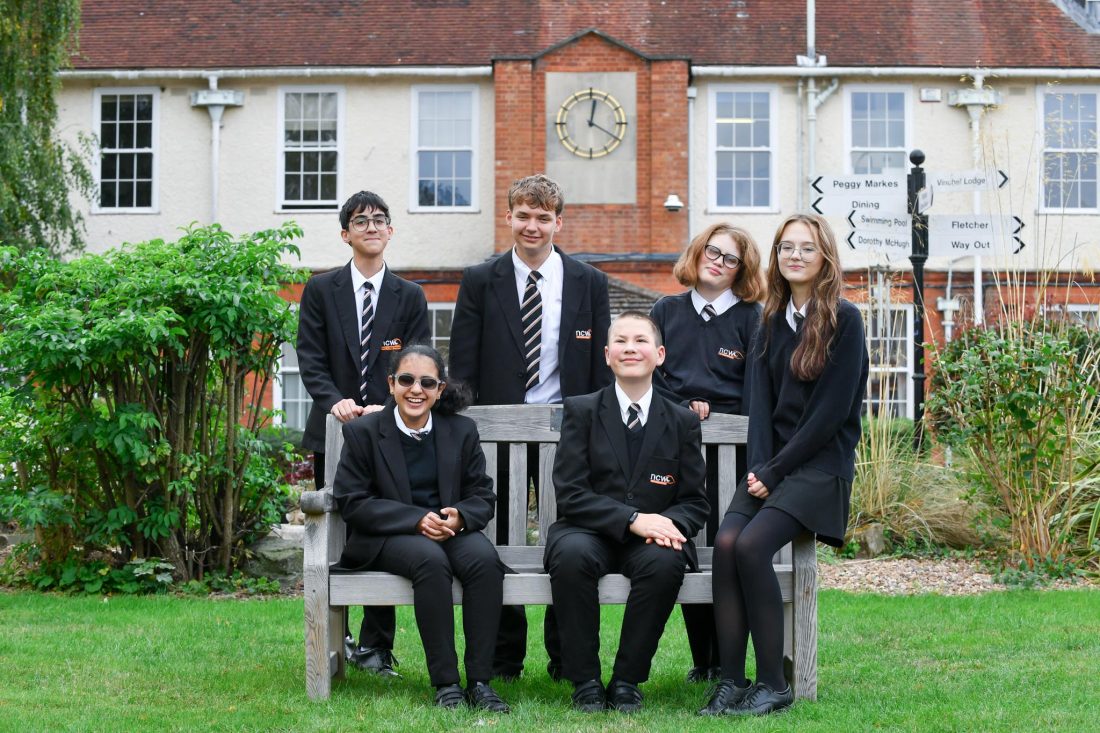
NCW is has expertise in meeting the needs of those learners who might be finding mainstream school overwhelming and can thrive in a smaller and quieter environment, learning alongside our students who are blind or vision impaired.
Those with Social, Emotional and Mental Health concerns and those who have Emotional Based School Avoidance are most likely to meet the assessment criteria for consideration of a place at NCW.
The process for consideration of a place is referrals via the Local Authority. EHCP documents are then screened and an assessment will be offered if there is initial hope that NCW can meet the needs of the young person. Each young person needs to attend a two or three day assessment in order for us to evaluate if NCW is able to meet need and can therefore offer a place to study.
Application Process
Currently, sighted students with an EHCP who are based in the Worcestershire Local Authority area will be considered when consultations have been received to NCW from the Local Authority.
If you feel we would be a good fit for your child or young person or we have been suggested as potential placement by a caseworker or school SENCO, please ensure your caseworker asks for a formal consultation to be sent to us.
Following receipt of a consultation, we take all the information into consideration and if we feel that we could meet need based on this evidence, we will make contact with families to arrange a visit.
If the visit goes well and we continue to feel we can meet need, we would offer an assessment.
Following an assessment, we will make a decision on if we can offer a place. Families and the Local Authority will both be informed of the decision and we will then await Local Authority agreement of the placement before we arrange transition visits.
